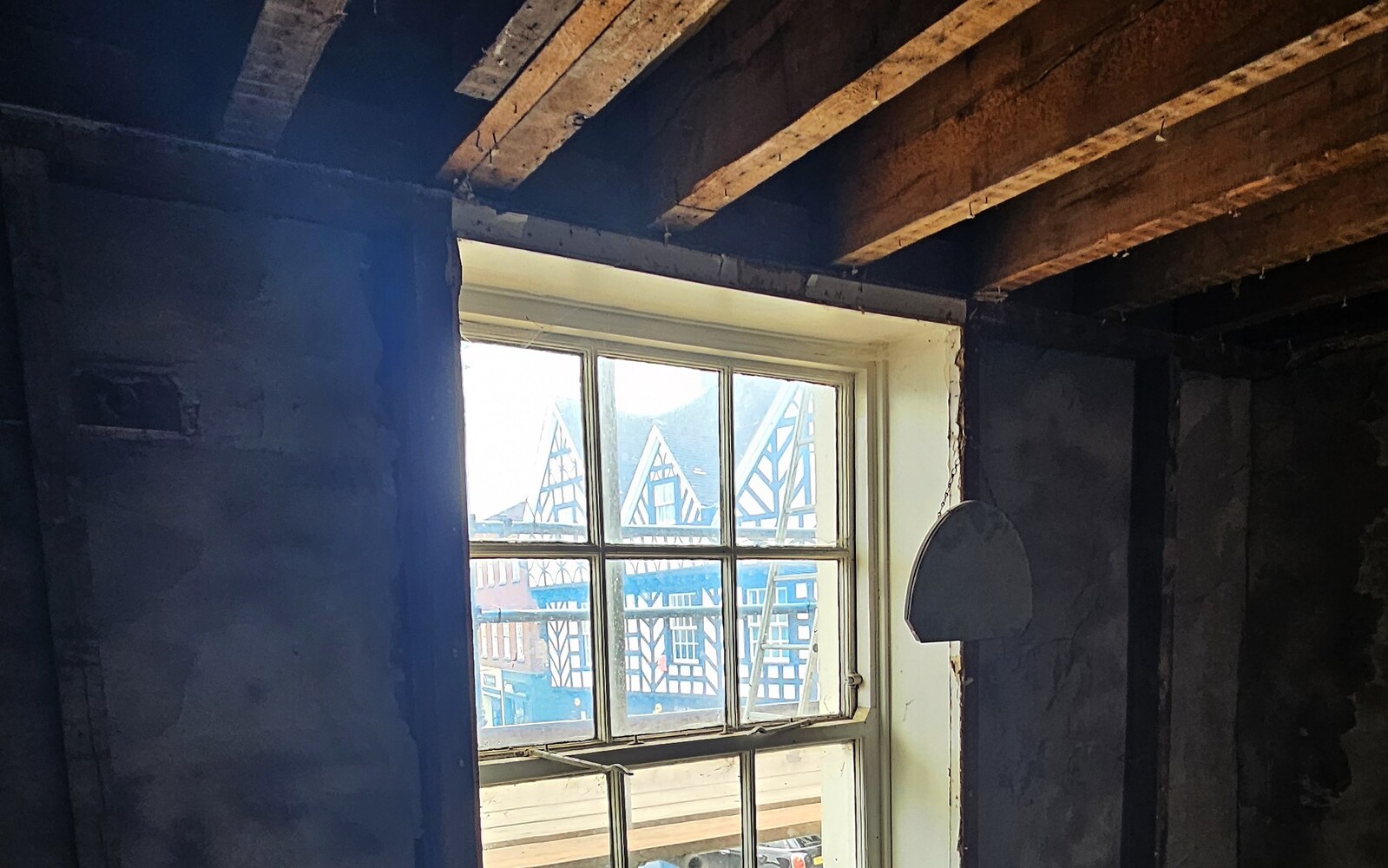
Photography pending — real listed building/conservation area photography required (Tier 1 only, per Homepage freeze record)
Listed Buildings & Conservation

Protection changes what's possible. It doesn't have to stop it.

Owning a listed building or a property in a conservation area doesn't mean nothing can change — it means changes have to be understood and justified differently. We help owners across Milton Keynes and the surrounding area assess significance, setting and risk before proposing anything, so the right route is clear from the start.

This page is for anyone whose building or site carries a heritage designation — a listed building, a conservation area, or both — and needs to understand what that actually means before changing anything, extending, or dealing with work that's already happened.

  • I own a listed building
  • My property is in a conservation area
  • I want to extend a historic home
  • I need consent for alterations
  • I have unauthorised works to regularise
  • I need heritage advice before submitting

Whichever describes your situation, the first real question is usually the same one.

Listed & protected

How do you change a sensitive building without harming its character or risking refusal?

Before any design work begins, a sensitive building needs to be understood on its own terms — what makes it significant, how its setting contributes to that significance, and what a conservation officer will realistically accept. Proposing changes before this is understood is the most common way a good idea becomes a refused application, or unauthorised work that has to be regularised after the fact. Read more on listed building consent →

  • Listing status
  • Conservation area designation
  • Significance
  • Setting
  • Materials
  • Scale and massing
  • Historic fabric
  • Visibility from public realm
  • Previous unauthorised works
  • Conservation officer risk
  • Planning history
Decision diagram: how a proposal for a historic or protected building is assessed for impact on significance and setting, to identify the right route forward.

Long description. A proposal for a historic or protected building is first checked against its designation, whether listed status or conservation area status applies. Its significance and setting are then assessed. If the proposal's impact is judged acceptable, it proceeds via the appropriate consent or planning route. If not, the strategy is revised and reassessed, rather than abandoned outright.

Every building and every setting is different, so the first step is understanding what yours can support.

Our approach

We check feasibility before full drawings.

Rather than proposing a design first, we start by assessing what makes your building or area significant — its historic fabric, setting and any prior planning history — before recommending the right approach and consent route. Structural, heritage and Building Regulations considerations happen alongside the design, not after it, so nothing discovered late forces a resubmission or a revised strategy. Read more about our approach →

Once the right approach is clear, here's exactly what happens next.

Annotated significance/setting plan — pending (optional asset, Stage 5D)
How it works

What happens once you get in touch.

01

Initial Discussion

Understanding your building, its designation, and what you're hoping to achieve, before discussing the right approach forward.

02

Feasibility

Typically 1–2 weeks — assessing significance, setting and prior planning history, and identifying the likely consent route, before any design work begins.

03

Design Development

Initial ideas are refined into a proposal that responds to the building's significance, planning requirements and your brief.

04

Planning

Listed building consent, planning permission, or both — decided within a statutory 8-week period for most applications.

05

Technical Design

Building Regulations drawings and structural coordination, prepared sensitively so construction can proceed with confidence.

06

Construction Support

Where required, we continue supporting the project during construction, helping resolve design queries as they arise.

With the process clear, here are the questions we're asked most often.

Common questions

Questions about protecting what makes your building special.

Do I need Listed Building Consent?

Yes, if your building is listed and the works affect its character — this applies to both the exterior and interior, and to some extent its setting, regardless of whether planning permission is also required. Carrying out unauthorised works to a listed building without consent is a criminal offence, not just a planning breach, which is why we check this before any design work begins.

Can I extend a house in a conservation area?

Often, yes, but Permitted Development rights are more restricted inside a conservation area than elsewhere, and the design has to respond to the area's character, not just your own plot. We assess what your specific conservation area actually requires before assuming any rule applies.

What happens if works were carried out without consent?

It can usually be regularised, most often through a retrospective listed building consent application, though the council can also pursue enforcement action in serious cases. We handle this calmly and directly — the priority is finding the fastest legitimate route to a lawful position, not dwelling on how it happened.

What is a Heritage Statement?

A written assessment of a building or area's significance, and how a proposal affects it — most local planning authorities require one alongside a listed building consent or conservation area application. We prepare these as a normal part of the process, not as a separate, optional extra.

Will the conservation officer object?

It depends on the specific proposal and how well it responds to the building's significance — there's no blanket answer. Early, informal engagement with the conservation officer, before a formal application, is usually the most reliable way to find out and to adjust the approach if needed.

Can modern design work on a historic building?

Yes — contemporary interventions are often more successful, and more readily accepted, than pastiche imitation, provided they're clearly legible as new work and respect the building's scale, materials and setting. We treat this as a design opportunity, not a constraint to work around.

If a situation like this looks familiar, here's what it can look like once it's resolved.

Related projects

We've done this before.

Every one of these started with the same understanding-first conversation.

Want to understand more first?

That's fine.

Either way, here's what you should already understand by this point.

What you'll know before arranging heritage advice.

  • Whether your building or area carries a heritage designation, and what that actually restricts.
  • Whether your proposal is likely to respect the building's significance, or needs rethinking.
  • What consent route applies, and roughly how long it takes.
  • What the next step should be, whatever your building's history.

Let's find out what's possible.

Heritage advice is the fastest way to know what your building or site can support, before you commit to a design.

Arrange heritage advice Send an email

Heritage advice is focused on understanding your building's significance and identifying the most realistic approach forward — whatever that turns out to be.