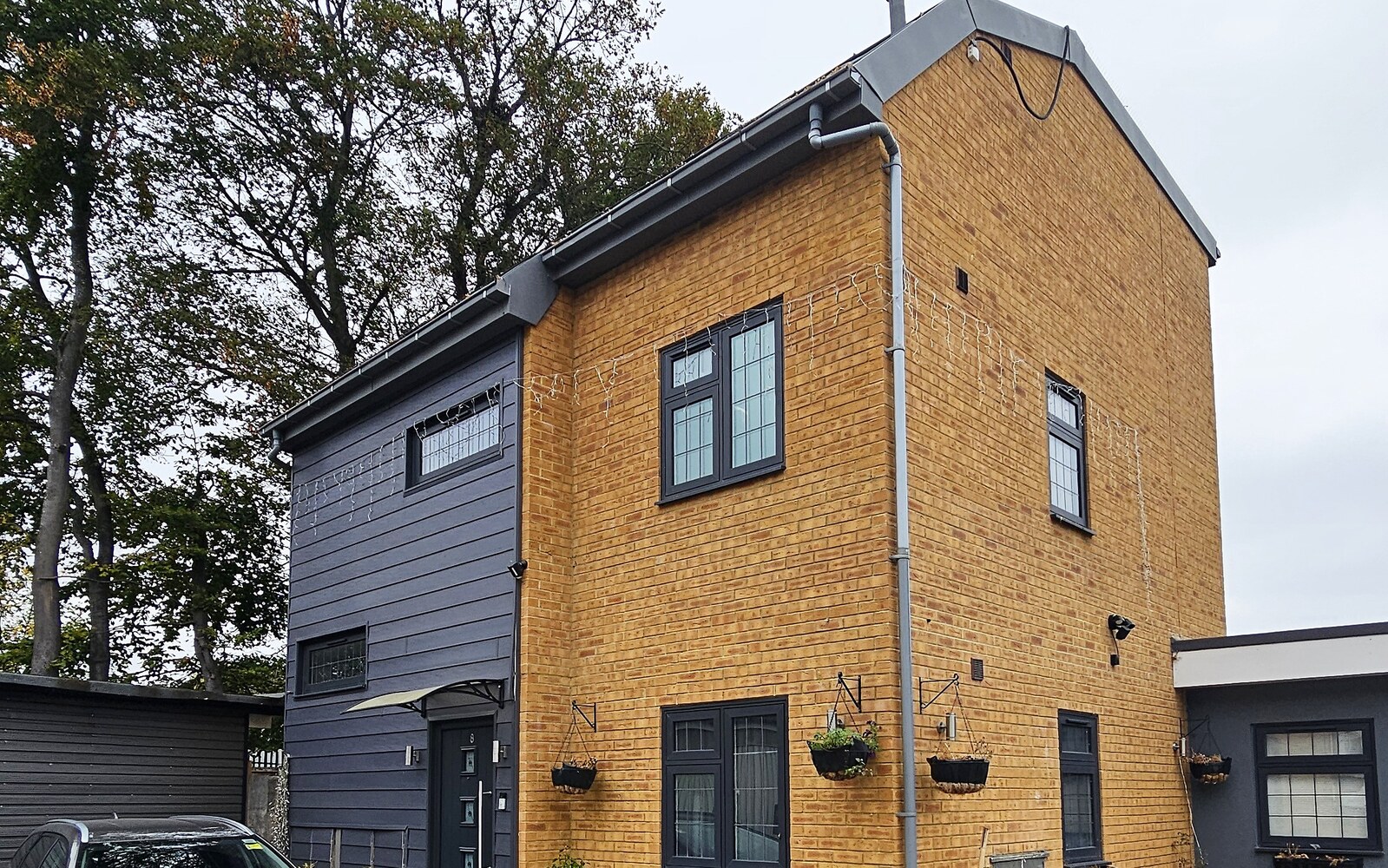
Photography pending — real completed new-build exterior required (Tier 1 only, per Homepage freeze record)
New Homes

What can your land actually support?

Before you think about design, it helps to know what's actually possible. We help self-builders, landowners and small developers across Milton Keynes and the surrounding area understand what their site can support, then turn that into a plan that works.

This page is for anyone building a new home from scratch — whether that's a self-build, a replacement dwelling, or a small infill or backland plot.

  • Self-build
  • Replacement dwelling
  • Infill plot
  • Backland plot
  • Small developer home

Whichever describes your project, the first real question is usually the same one.

Site suitability

Is your site suitable for a new home?

Before design begins, a new dwelling has to clear several checks: planning policy, access, amenity, overlooking, ecology, drainage, and — where relevant — heritage or Green Belt restrictions. Whether your project replaces an existing house or sits on a plot that's never been built on changes which policy tests actually apply. Getting this wrong after committing to drawings is the most common way new-build projects stall. Read more on planning policy for new dwellings →

Decision diagram: whether a new dwelling is assessed as a replacement dwelling or under general housing policy.

Long description. A new dwelling is proposed. If it replaces an existing house on the same plot, it is assessed against replacement dwelling policy, which considers proportionality to the original building. If it does not replace an existing house, it is assessed against general housing policy instead, including Green Belt and countryside restrictions where relevant.

Every site is different, so the first step is understanding what yours can support.

Our approach

We check feasibility before full drawings.

Rather than starting with detailed drawings, we begin with a feasibility review — establishing what the site can support, what planning route applies, and where structural or Building Regulations issues are likely to arise. Design and technical coordination happen alongside each other, not one after the other, so nothing discovered late forces a redesign. Read more about our approach →

Once feasibility is established, here's exactly what happens next.

Annotated site plan — pending (optional asset, Stage 5D)
How it works

What happens once you get in touch.

01

Initial Discussion

Understanding your objectives, the site and any known constraints before discussing the most appropriate route forward.

02

Feasibility

Typically 1–2 weeks — establishing what the site can support and which planning route applies before any detailed drawings begin.

03

Design Development

Initial ideas are refined into a coordinated proposal that responds to the site, planning requirements and your brief.

04

Planning

A full planning application — decided within a statutory 8-week period once submitted.

05

Technical Design

Building Regulations drawings and structural coordination, prepared so construction can proceed with confidence.

06

Construction Support

Where required, we continue supporting the project during construction, helping resolve design queries as they arise.

With the process clear, here are the questions we're asked most often.

Common questions

Questions about building a new home.

Do I need planning permission to build a new house?

Yes — new dwellings almost always need a full planning application; Permitted Development rarely applies to a brand-new house in the way it can to an extension or loft conversion. Local authorities aim to decide within a statutory 8-week period once submitted. We assess your site's policy position before you commit to detailed drawings, so there are no surprises partway through.

What is a Design and Access Statement, and do I need one?

A Design and Access Statement explains how a proposal responds to its site — layout, appearance, landscaping and access — and is required for most new dwelling applications. We prepare this alongside the drawings, not as a bolt-on afterthought, since it's often what determines whether a planning officer understands the reasoning behind the design.

I'm a self-builder — what does that actually mean for how you work with me?

It means the same full design, planning and Building Regulations support as any client — self-build describes who owns and commissions the project, not how much of the process you're expected to manage yourself. We coordinate structural engineers and other consultants alongside the design work either way.

What's the difference between a new build and a replacement dwelling?

A replacement dwelling — demolishing an existing house to build a new one — is assessed against different policy tests than an empty plot, usually based on proportionality to the building it replaces. Confirming which category your project falls into is one of the first things we check, since it changes what's realistically achievable.

Will I need Building Regulations approval?

Yes — every new dwelling must meet Building Regulations in full, covering structure, insulation, fire safety, ventilation and drainage, generally to a higher standard than an extension. We prepare these drawings alongside the design work so structural and energy-performance decisions are coordinated from the start, not fitted around a finished design.

If a project like this looks familiar, here's what it can look like once it's built.

Related projects

We've done this before.

Every one of these started with the same feasibility-first conversation.

Want to understand more first?

That's fine.

Either way, here's what you should already understand by this point.

What you'll know before you get in touch.

  • Whether your site is likely to support a new dwelling, and what checks it still needs to clear.
  • Whether your project is judged as a replacement dwelling or under general housing policy.
  • Roughly how long the process takes, including the statutory 8-week planning decision period.
  • What the next step should be for your specific situation.

Let's find out what's possible.

A feasibility review is the fastest way to know what your land can support, before you commit to anything else.

Arrange a feasibility review Send an email

Feasibility reviews are focused on understanding your land and identifying the most realistic route forward.